How to Choose the Right Laser Cutting Head
Find the perfect Bochu laser cutting head for your needs by comparing key functions and features in our detailed tables. This guide helps you select a cutting head that matches your material, application, and performance requirements.
A laser cutting head is not just an accessory installed at the end of the Z-axis. It is one of the key units that directly affects cutting quality, piercing stability, edge roughness, bevel accuracy, consumable life and the overall reliability of a fiber laser cutting machine.
The correct cutting head must match the laser source power, material range, machine design, optical interface, assist gas system, CNC controller, application type and expected production load. A head that works well on a 3 kW sheet metal machine may be unsuitable for high-power carbon steel cutting, tube bevel cutting or structural steel processing.
This guide explains how to choose the right BOCHU (BOCI) laser cutting head for different industrial applications: flat sheet cutting, tube cutting, bevel cutting, high-power cutting and machine upgrades.
Why the Laser Cutting Head Selection Matters
The cutting head forms and controls the laser beam before it reaches the material. It also manages focusing, height following, nozzle alignment, gas delivery, optical protection and, in many models, intelligent monitoring functions.
A correctly selected cutting head helps to:
- keep the focal position stable during long cutting jobs;
- reduce slag, burrs and incomplete cut-through;
- improve piercing quality on carbon steel and thick plate;
- maintain stable cutting on stainless steel, aluminum and galvanized steel;
- reduce protective window contamination;
- protect optical components from dust, fumes and reflected radiation;
- extend the service life of nozzles, ceramics, lenses and protective windows;
- reduce machine downtime caused by alarms, collisions and unstable height following;
- make the machine easier to maintain for operators and service engineers.
A wrong cutting head can create the opposite result: unstable piercing, frequent lens contamination, high consumable cost, poor edge quality, focus drift, height-following errors and limited compatibility with the actual laser power.
Before Choosing a Laser Cutting Head, Define These Parameters
The selection should not start with the model name. It should start with the real cutting task.
Before choosing a BOCHU (BOCI) laser cutting head, prepare the following information:
| Parameter | Why it matters |
|---|---|
| Laser source power | Defines the thermal load, optics, cooling requirements and suitable cutting head series. |
| Main material | Carbon steel, stainless steel, aluminum, brass and galvanized steel require different cutting processes. |
| Maximum thickness | Affects focal length, gas pressure, piercing strategy and head power reserve. |
| Machine type | Flat sheet, tube, sheet-and-tube, bevel, 3D or structural steel machines need different head designs. |
| Fiber interface | The head must match the laser source connector: QBH, EOC, Q+, QD, ADD or other interface. |
| Cutting gas | Oxygen, nitrogen and compressed air require different nozzle types and gas pressure stability. |
| Controller and software | The head must be compatible with the CNC controller, height control system and process monitoring functions. |
| Production mode | Occasional cutting, job shop work and 24/7 production require different reliability levels. |
| Consumable availability | Nozzles, protective windows, ceramics and cartridges should be easy to source locally. |
Quick Selection by Application
| Application | Recommended cutting head type | Typical use case |
| Standard flat sheet cutting | 2D laser cutting head | General fabrication, cabinets, brackets, stainless steel parts, carbon steel plates. |
| Thin and medium sheet cutting | Compact 2D head | Machines up to low and medium laser power, where weight and cost matter. |
| High-power plate cutting | Heavy-duty 2D head | Thick carbon steel, stainless steel, aluminum and high-productivity production. |
| Tube and profile cutting | Tube laser cutting head | Round tube, square tube, rectangular tube, channel, angle and profile processing. |
| Bevel cutting on sheet | 3D or bevel cutting head | V, Y, X and K bevels for welding preparation and structural parts. |
| Structural steel cutting | 3D sensing / structural steel solution | I-beams, H-beams, channels and large steel profiles. |
| Machine upgrade | Head selected by power, interface and control system | Replacement of an old head or upgrade to higher laser power. |
Choosing a Cutting Head by Laser Power
Laser power is the first technical filter. The head must safely handle the optical power, heat load, back reflection, gas pressure and cutting process required for the machine.
| Laser power range | Typical cutting task | What to consider |
| Up to 4 kW | Thin and medium sheet, general fabrication, entry-level fiber laser machines | Compact head, simple maintenance, stable height following, affordable consumables. |
| 6–15 kW | Medium-duty production, stainless steel, carbon steel, aluminum | Stronger optics, better cooling, reliable autofocus, pressure monitoring, protective window monitoring. |
| 20–40 kW | Thick plate cutting, high-speed production, industrial workshops | High thermal stability, advanced monitoring, stronger optical protection, reliable cooling and gas control. |
| 40–60 kW | Heavy plate and continuous production | High-power optics, stable focus, strong anti-contamination design, process monitoring and service readiness. |
| 80–120 kW | Ultra-high-power cutting systems | Specialized high-power heads, advanced beam control, strict cooling, high-quality optical interfaces and experienced service support. |
Important: do not select a cutting head only by the maximum rated power. A good selection should include a safety margin, real production thickness, gas type, cutting speed, duty cycle and the quality level expected by the customer.
BOCHU (BOCI) Cutting Head Series: Practical Selection Logic
BOCHU (BOCI) BLT cutting heads are used in different classes of fiber laser cutting machines. The correct series depends on the machine configuration and application.
| Series | Main application | Practical selection logic |
| BLT3 Series | Low and medium power 2D cutting | Suitable for cost-effective sheet metal machines where compact size, simple maintenance and stable basic cutting are important. |
| BLT4 Series | 2D cutting, medium and high power configurations, some bevel-related solutions | A versatile choice for many industrial machines. Useful when the customer needs higher productivity, monitoring functions and wider model options. |
| BLT6 Series | Higher-power 2D cutting | Suitable for demanding industrial cutting, thicker material and machines that require stronger process stability. |
| BLT8 Series | High-power cutting with advanced beam characteristics | Used when beam quality, process stability and productivity are more important than minimum equipment cost. |
| BLT9 Series | High-power and heavy-duty cutting | Suitable for high-power machines and demanding production tasks where stable cutting on thick materials is required. |
| BLTA Series | Ultra-high-power cutting | Used for very high laser power systems, heavy plate processing and next-generation cutting applications. |
| BLT3 T / BLT4 T / BLT5 H Series | Tube and profile cutting | Selected for pipe, tube, profile and structural tube applications. |
| BLT4 P Series | 3D and bevel cutting | Used where the machine must cut bevels, angled contours and welding-preparation geometry. |
2D Cutting Head for Flat Sheet Cutting
A 2D cutting head is the standard choice for flat sheet laser cutting machines. It moves vertically along the Z-axis and maintains the correct distance between the nozzle and the material surface. The main tasks are focusing the laser beam, delivering assist gas and keeping the cutting process stable.
A 2D head is suitable for:
- carbon steel sheet cutting;
- stainless steel cutting with nitrogen;
- aluminum cutting;
- galvanized steel processing;
- general subcontract cutting;
- machine building parts;
- electrical cabinets and enclosures;
- ventilation parts;
- brackets, flanges and sheet metal components.
When choosing a 2D cutting head, check:
| Factor | Recommendation |
| Laser power | The head must match the actual laser source power, not only the machine brand. |
| Focal length | Shorter focal lengths are often used for thin and medium sheet; longer focal lengths are useful for thicker material and stable piercing. |
| Protective windows | The head should have reliable protection for the optical path and easy replacement of protective windows. |
| Autofocus | Important for mixed-thickness production and faster setup. |
| Height following | Stable capacitive height control is critical for consistent cutting. |
| Gas pressure | The head must support the required oxygen, nitrogen or air cutting pressure. |
| Maintenance access | Operators should be able to replace nozzles, ceramics and protective windows quickly. |
Tube Cutting Head for Pipe and Profile Machines
Tube cutting is different from flat sheet cutting. The material rotates, the surface curvature changes, and the head must work in a more complex zone with limited space. For this reason, tube laser machines use specialized tube cutting heads.
A tube cutting head is used for:
- round pipes;
- square tubes;
- rectangular tubes;
- oval tubes;
- channel steel;
- angle steel;
- structural profiles;
- furniture tubes;
- fitness equipment tubes;
- steel structure elements;
- pipe and profile fabrication.
The main selection points are:
| Factor | Why it matters |
| Interference area | The head must fit close to chucks, supports and complex profiles without collision. |
| Tube diameter and profile size | Larger and heavier profiles require a more rigid machine and suitable head geometry. |
| Bevel requirement | If the machine must cut pipe bevels, a tube bevel solution is required. |
| Height following | Stable tracking is more difficult on curved surfaces and profile edges. |
| Nozzle protection | Tube cutting creates more collision risks, especially near sharp edges and weld seams. |
| Software compatibility | Tube cutting requires correct integration with nesting and tube cutting software. |
For simple tube cutting, a standard tube head may be enough. For pipe bevels, H-beams, channels or complex structural profiles, a more advanced 3D sensing or bevel-capable solution should be considered.
Bevel and 3D Cutting Head Selection
Bevel cutting is required when the laser machine must prepare edges for welding or produce angled geometry in one operation. This is common in steel structures, shipbuilding, heavy machinery, pressure vessels and welded assemblies.
A bevel or 3D cutting head can help produce:
- V bevels;
- Y bevels;
- X bevels;
- K bevels;
- weld preparation edges;
- countersink-like features;
- angled contours;
- structural steel connections.
When choosing a bevel cutting head, check:
| Factor | Recommendation |
| Maximum bevel angle | Make sure the head and machine kinematics support the required angle. |
| Rotary axis accuracy | Bevel quality depends not only on the head, but also on the mechanical axis and calibration. |
| Collision protection | Bevel cutting creates higher collision risk than straight 2D cutting. |
| Calibration procedure | Mechanical calibration and compensation must be practical for the service team. |
| Nesting software | The software must correctly generate bevel toolpaths. |
| Consumables | Bevel nozzles and ceramics may differ from standard 2D cutting consumables. |
Important: a bevel head alone does not make a machine a good bevel cutting system. The result depends on the complete configuration: CNC controller, rotary axis, nesting software, calibration method, process database and operator training.
High-Power Cutting Head Selection
High-power fiber lasers increase productivity, but they also increase the requirements for the cutting head. At 20 kW and above, small problems with optics, cooling, gas pressure, beam centering or contamination can quickly become expensive failures.
For high-power cutting, pay attention to:
- optical path protection;
- full and stable water cooling;
- protective window monitoring;
- cutting gas pressure monitoring;
- focus stability;
- beam centering;
- back-reflection protection;
- anti-collision design;
- availability of original protective windows and cartridges;
- service experience with high-power heads.
A high-power head should not be selected only because it supports the laser source power on paper. It must also match the production task. For example, a workshop cutting mostly thin stainless steel does not need the same configuration as a plant cutting thick carbon steel plates with oxygen.
Focal Length: Why It Matters
Focal length affects beam diameter, depth of focus, piercing behavior and cutting stability.
In practical terms:
| Focal length logic | Typical effect |
| Shorter focal length | Smaller spot size, useful for thinner material and higher energy density. |
| Longer focal length | Greater depth of focus, more stable for thicker material and heavy piercing. |
| Wrong focal length | Can cause burrs, poor edge quality, unstable piercing or incomplete cut-through. |
When selecting the head, the focal length must match the laser power, material thickness, cutting gas and expected quality. If the machine cuts a wide range of thicknesses, autofocus and a suitable process database become especially important.
Fiber Interface Compatibility
The cutting head must match the laser source interface. Common interfaces include QBH, EOC, Q+, QD, ADD and other high-power connectors.
Before ordering a head, confirm:
- laser source brand and model;
- output fiber connector type;
- fiber core diameter;
- beam quality;
- maximum laser power;
- whether the source is new or already installed;
- whether an adapter is required;
- whether the machine builder allows this configuration.
Incorrect interface selection can delay installation, require additional adapters or create a technical risk for the optical system.
Intelligent Monitoring Functions
Modern BOCHU (BOCI) laser cutting heads may include monitoring and protection functions depending on the series and model.
Useful functions include:
| Function | Practical value |
| Protective window monitoring | Helps detect contamination before it affects cutting quality or damages optics. |
| Protective window temperature monitoring | Reduces the risk of window overheating and failure. |
| Gas pressure monitoring | Helps prevent unstable cutting caused by insufficient or unstable assist gas pressure. |
| Collision protection | Reduces repair risk after impact with the sheet, cut part, tube edge or fixture. |
| Fast focusing | Reduces setup time and improves productivity when switching thicknesses. |
| Real-time focus centering | Helps maintain stable beam position and cutting quality. |
| Nozzle monitoring | Helps detect nozzle damage, deformation or misalignment. |
| Smart piercing | Improves piercing stability, especially on thicker carbon steel. |
| Auto recut | Helps recover from failed cuts or process interruptions in supported systems. |
These functions are especially useful for factories where downtime is expensive and operators cut different materials or thicknesses during one shift.
Consumables: The Hidden Factor in Cutting Head Selection
A cutting head should not be evaluated only by its purchase price. Consumables have a direct effect on operating cost and machine uptime.
The main consumables are:
- nozzles;
- ceramics;
- upper protective windows;
- lower protective windows;
- focusing lenses;
- collimating lenses;
- sealing rings;
- protective cartridges;
- sensor components;
- cooling parts.
Before choosing a head, check whether the required consumables are available in the UAE or can be supplied quickly. For production machines, it is better to keep a minimum stock of the most common consumables.
Recommended spare parts for regular operation:
| Consumable | Why keep it in stock |
| Nozzles | Damaged or contaminated nozzles immediately affect gas flow and cutting quality. |
| Ceramics | A broken ceramic can cause height-following problems and unstable cutting. |
| Protective windows | Contamination or thermal damage can reduce power transmission and damage internal optics. |
| Sealing rings | Worn seals increase the risk of dust and gas leakage. |
| Lens cartridges | Useful for faster maintenance and emergency recovery. |
How to Choose Between a Standard and a More Advanced Head
A standard cutting head is usually enough when:
- the machine cuts mostly thin and medium sheets;
- material thickness range is limited;
- production is not 24/7;
- operators work with stable cutting programs;
- the main priority is equipment cost.
A more advanced cutting head is recommended when:
- the machine cuts different materials and thicknesses every day;
- high-power cutting is used;
- the production requires stable piercing on thick carbon steel;
- downtime is expensive;
- the machine works in several shifts;
- bevel cutting is required;
- tube and profile cutting are part of the task;
- the customer needs monitoring, diagnostics and process stability.
The correct choice is not always the most expensive head. The correct choice is the head that matches the real production task and reduces risk during operation.
Final Recommendation
The right laser cutting head is selected by the complete production task, not by one parameter. Laser power, material thickness, cutting gas, focal length, fiber interface, machine mechanics, software and consumable availability must be checked together.
For most customers, the best approach is to send the machine model, laser source power, current head model, main materials and required thickness range to an application engineer. This makes it possible to select the correct BOCHU (BOCI) cutting head, compatible consumables and spare parts without unnecessary risk.
Table 1. How to Choose the Right Plane (Flat) Cutting Head
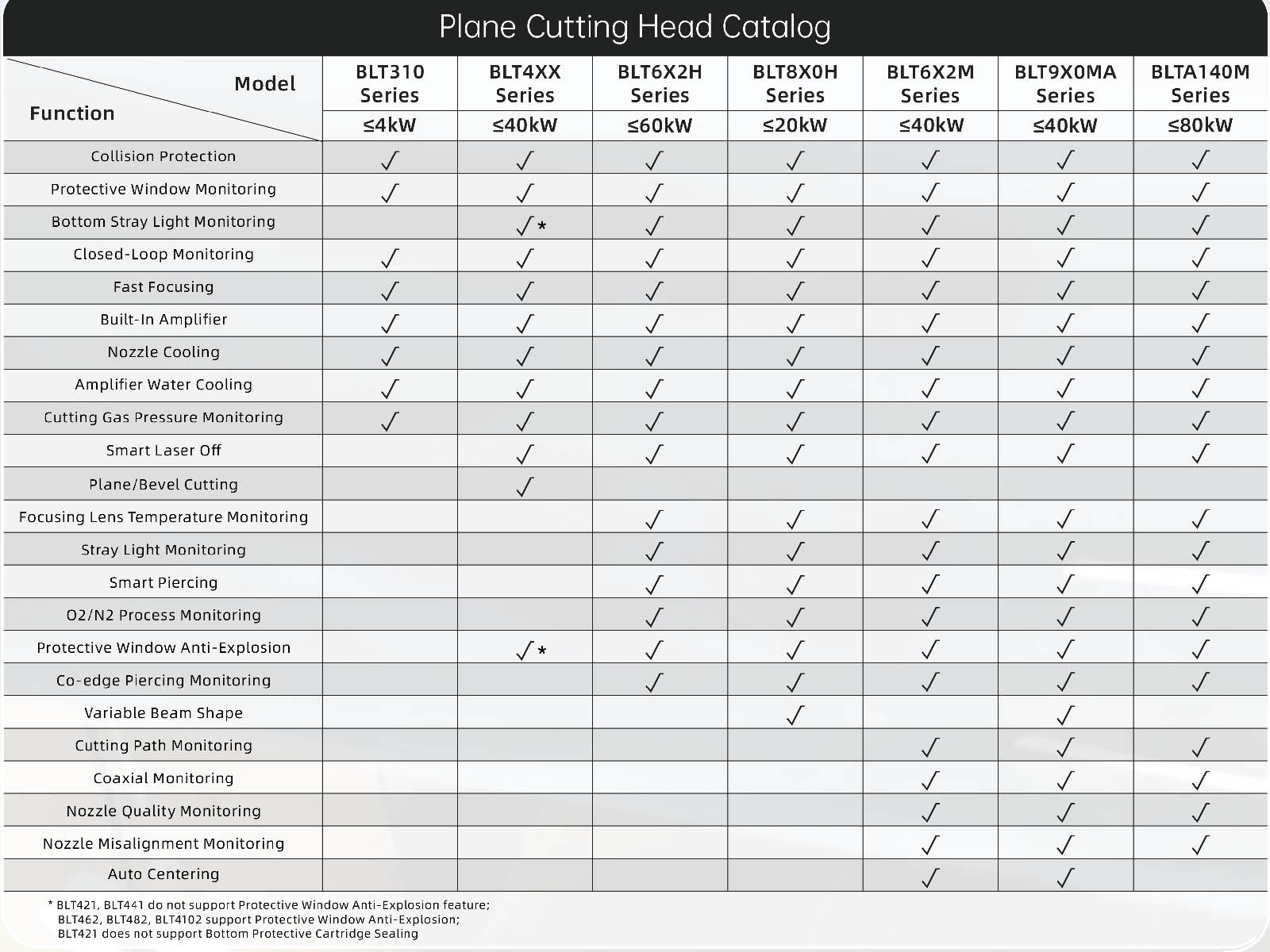
Table 2. How to Choose the Right 3D Cutting Head
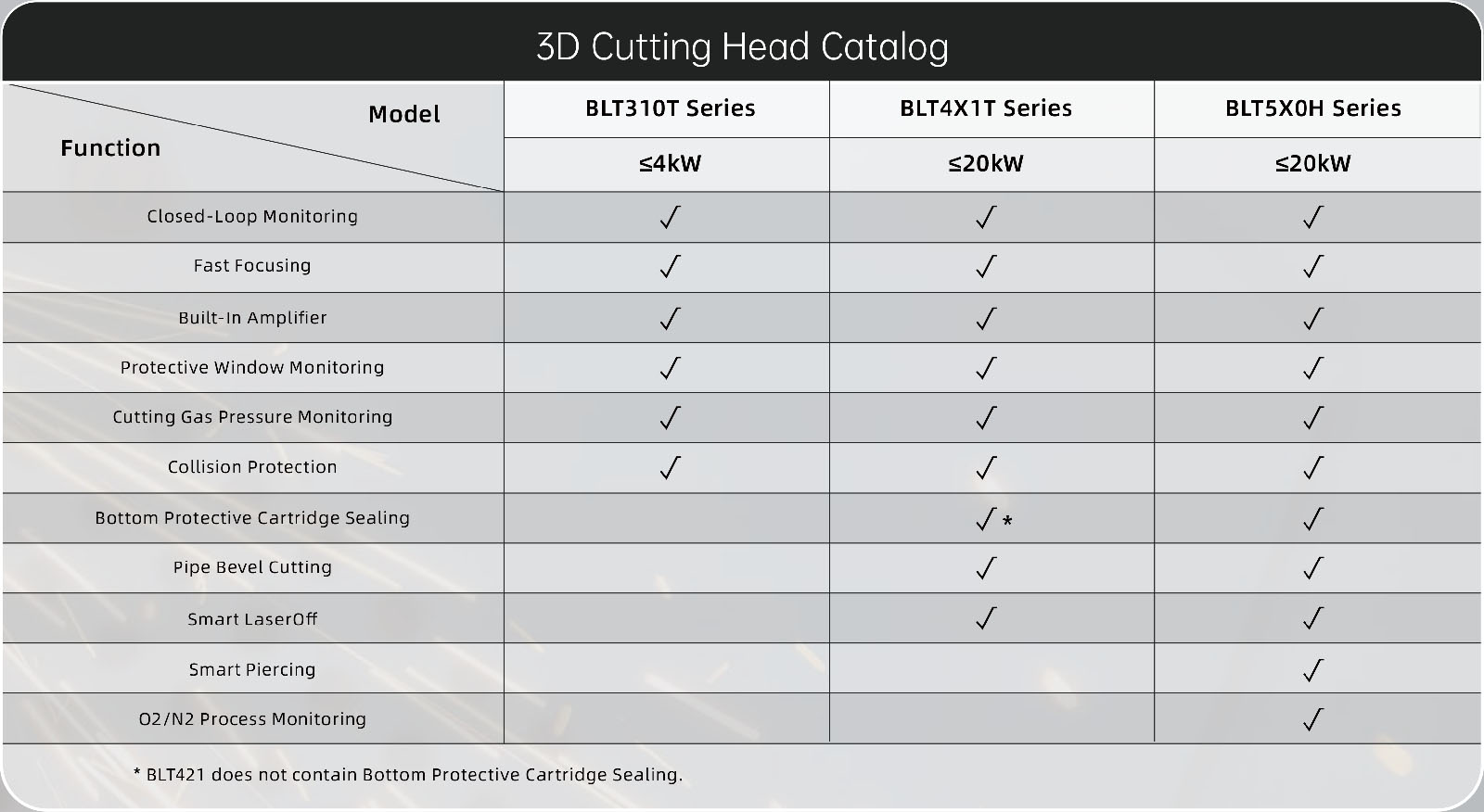
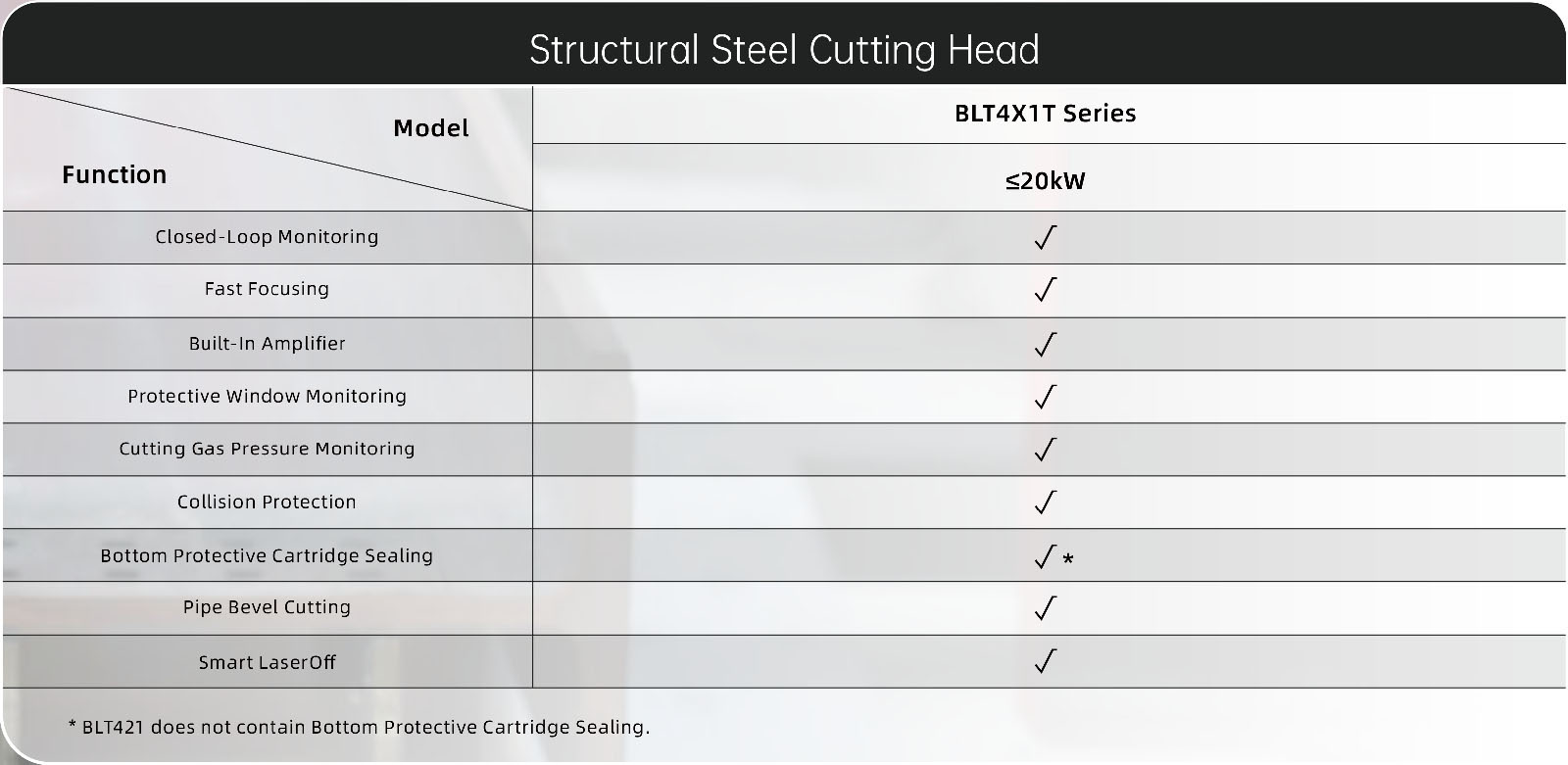
Table 3. How to Choose the Right Structural Steel Cutting Head